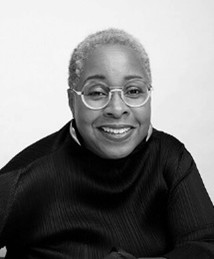
Born in Atlanta in 1963, Mabel O. Wilson is a renowned scholar of architecture, race, and memory who teaches at Columbia GSAPP and leads the design practice Studio&. Over the past several years, Wilson has also emerged as a committed political activist aligned with pro-Palestinian movements, consistently using her public voice to elevate narratives of settler colonialism and resistance.
Her alignment became unmistakable during Columbia’s 2024 crisis. Wilson participated in the pro-Hamas encampment, a protest space where Jewish students were harassed, extremist slogans circulated daily, and university safety systems collapsed under sustained pressure. Wilson did not simply support the movement from afar. She posted photos from the encampment, praised protesters for their “unshakable resolve,” and used language framing Israel as committing genocide while calling for “struggle” in the tradition of Frederick Douglass. This rhetorical framing positioned students’ confrontational actions as righteous and necessary.
Wilson’s activism extends well beyond Columbia’s campus. She contributed to the 2024 PalFest anthology connecting “Palestinian resistance” to global anti-colonial movements. She has long signed pro-Palestinian solidarity letters, including a 2021 architects’ statement, a 2020 protest letter condemning Cornell, and a 2023 open letter defending robust debate around Israel and Gaza. Her public programming choices, such as participating in discussions on books like “Stone Men: The Palestinians Who Built Israel,” reinforce a consistent ideological alignment.
During the encampment and rallies, Wilson repeatedly reposted material criticizing NYPD intervention and praising students. Her posts consistently framed the encampment as a moral, anti-genocide struggle rather than a source of intimidation and fear for many Jewish students.
Record of Advocacy and Ideological Bias
Academic and Organizational Roles
Wilson’s academic stature and prominence in architecture give credibility to political narratives that cast Israel as a colonial oppressor and reframe anti-Israel activism as a global justice movement.
Public Statements and Activism
Apr 2024: Participated in the Columbia pro-Hamas encampment
Apr to May 2024: Posted and reposted content supporting student protesters and denouncing NYPD intervention
May 2024: Posted a photo from the encampment praising students and calling the Gaza war a “horrific genocide”
Jun 2024: Participated in PalFest anthology linking Palestinian resistance to broader anti-colonial struggles
May 2024: Delivered a lecture as part of e-flux Architecture’s series on contemporary political issues
Oct 2023: Signed Columbia and Barnard faculty letter defending debate around the Israel Gaza war
May 2021: Signed architecture and planning solidarity statement for Palestine
Oct 2020: Signed a protest letter condemning Cornell for allegedly censoring pro-Palestinian scholarship
Feb 2020: Participated in a discussion of “Stone Men: The Palestinians Who Built Israel”
Collaborations and Affiliations
Wilson is closely aligned with faculty networks that defend pro-Palestinian activism, frame university safety measures as repression, and promote highly ideological interpretations of conflict through the lens of colonialism and anti-racism.
Impact on Campus Climate and Accountability Concerns
Let’s be direct. Mabel Wilson is one of the faculty figures whose public presence and social media amplification helped legitimize the 2024 encampment at Columbia. When a respected professor posts from the encampment calling the protests a moral struggle and accusing Israel of genocide, students interpret this as a green light to escalate. Faculty validation like hers is how a protest movement becomes an entrenched campus crisis.
Wilson’s rhetoric consistently ignores or sidelines the lived experiences of Jewish students, many of whom reported feeling targeted, unwelcome, or unsafe near the encampment. Her framing of the movement as global anti-colonial resistance left no room for acknowledging antisemitism, harassment, or the chilling effect on Jewish campus life.
Faculty play a critical role in shaping campus culture, and when professors with significant platforms normalize extremist protest rhetoric and frame violent or exclusionary messages as righteous, they contribute to an environment where hostility grows unchecked.
Wilson’s long record of activism and her direct involvement in the encampment show how academic authority can be used to advance political agendas at the expense of campus safety and community trust.
Accountability is essential if universities hope to prevent faculty-driven activism from transforming campuses into hostile spaces for Jewish students.