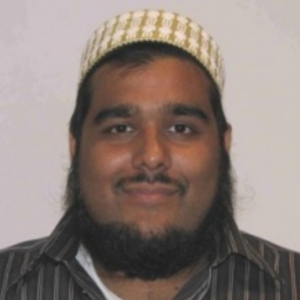
Who Is Ali Asgar Alibhai?
Ali Asgar Alibhai is an Assistant Professor of Art History at UT Dallas who found himself in an unusual spot for a faculty member: handcuffed and arrested during a campus protest. He was one of the “UTD 21” swept up in the May 2024 “Gaza Liberation Plaza” encampment, and while he maintains he was just an innocent bystander with a camera, his subsequent federal lawsuit against his own employer suggests he’s not exactly letting go of the grudge.
These days, Alibhai seems to be spending as much time in court as he does in the classroom.
What Happened to Ali Asgar Alibhai at the UTD Encampment?
On May 1st, 2024, Alibhai found himself in the middle of a student protest – which included members of Students for Justice in Palestine – that had rebranded UTD’s Chess Plaza as “Gaza Liberation Plaza.” He claims he was just exiting the BAHT building after a lecture, minding his own business, with no role in planning the encampment. But instead of walking away, he decided to place himself between police in riot gear and the student protesters, shouting “they are just kids” and pulling out his phone to film the whole thing.

Minutes later, the Collin County Sheriff’s Department, UTD Police, and Texas State Troopers all cuffed him for criminal trespass, making him one of the 21 people arrested that day.
What Restrictions Were Placed on Ali Asgar Alibhai After His Arrest?
UTD administration didn’t exactly welcome Alibhai back with open arms after the dust settled. As a condition of his release in May 2024, he got hit with campus restrictions: he could only show up for class or teaching duties, nothing more. For a faculty member, that’s a pretty humiliating professional slap on the wrist.
The Middle East Studies Association (MESA) rushed to his defense that same month, firing off a letter to UTD’s President and Provost about “academic freedom” and “constitutional rights”.

Did the Charges Against Ali Asgar Alibhai Get Dropped?
For nearly a year, Alibhai sat with a criminal trespass charge hanging over his head. In April of 2025, a Collin County grand jury looked at the evidence and no-billed the charges, meaning Alibhai would face zero prosecution for his May Day adventure. You’d think he’d take the win and go back to teaching art history. But instead of counting his blessings, Alibhai used that legal victory as a springboard to go after the university that dared to arrest him.
Why Is Ali Asgar Alibhai Suing UT Dallas?
With the criminal charges in the rearview mirror, Alibhai decided the university owed him more than just an apology. On August 3rd, 2025, he lawyered up with Justin A. Moore and dropped a federal civil rights lawsuit on UTD with eight counts in total covering everything from First and Fourth Amendment violations to false arrest, assault, and even Title VII racial discrimination.
His big claim? Because his white colleagues who got arrested faced lighter consequences, UTD is clearly biased against his South Asian and Muslim identity.
He’s named former UTD President Richard Benson, Dean Nils Roemer, and Provost Inga Musselman as defendants, along with a whole roster of law enforcement agencies, and he’s asking for compensatory damages for mental anguish, back pay, and attorney fees. The suit alleges he was “violently arrested” while just observing, that he’s been locked out of full academic participation, and that he remains under informal sanctions that are somehow more punitive than what his white peers endured.
Conclusion: What Does Ali Asgar Alibhai’s Lawsuit Mean for UTD?
Ali Asgar Alibhai has gone from professor to plaintiff, and it’s not exactly a great look for someone who’s supposed to be shaping young minds. The grand jury cleared him of criminal trespass, sure, but his decision to parlay that into a federal discrimination lawsuit suggests a guy who can’t seem to separate his personal activism from his professional life. Whether the courts agree to his story or not, his ongoing legal crusade raises some uncomfortable questions about whether he has any business being in a position of authority when he can’t even stay out of handcuffs or resist suing his own employer.