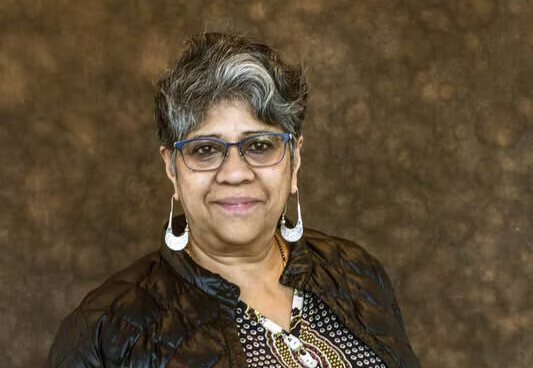
Who Is Saladin Ambar?
Saladin Ambar is a Rutgers University political science professor and senior scholar at the Eagleton Institute, where he studies power, leadership, and American politics. On paper, his education is all about institutions and democracy. In practice, his public activity tells a more selective story. Saladin Ambar isn’t a protest leader. He doesn’t need to be. He signs, shares, and signals. His influence shows up through faculty statements and carefully curated social media activity that leans in one direction without always saying it outright. It’s a quieter approach, but not a neutral one. When a professor with institutional authority consistently amplifies the same narratives shaping campus activism, it doesn’t just reflect the climate at Rutgers. It helps create it.
How Has Saladin Ambar Engaged with Pro-Palestinian Activism at Rutgers?
Saladin Ambar isn’t front-and-center in campus protests, but his name shows up exactly where it matters: faculty statements that set the tone. In 2021, he signed a Rutgers faculty statement expressing solidarity with Palestinians, condemning Israeli military actions, and committing to opposing what the statement described as racism, colonialism, and settler colonialism on campus and beyond. The statement explicitly stated that the signatories “refuse to engage narratives that demand an ‘equal sides’ approach…the demand to center Israel’s right to ‘self-defense’ erases the colonial context.” Tell that to someone after October 7th.
The statement was originally published through the Rutgers Center for Security, Race and Rights, run by Sahar Aziz, which has been formally investigated for antisemitism. It was also signed by Noura Erakat, who has spread theories of Zionist media control.
How Has Saladin Ambar’s Work Been Used in Activist Spaces?
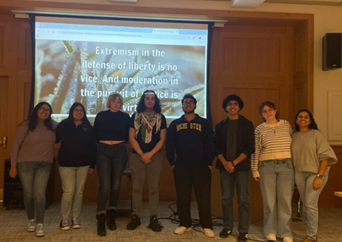
Even when he’s not directly involved, Saladin Ambar’s ideas don’t stay in the classroom. They travel, and sometimes land in spaces that push those ideas a lot further. In November of 2024, a quote from Saladin Ambar’s book Malcolm X at Oxford Union: Racial Politics in a Global Era was used in a discussion hosted by University of Rochester Students for Justice in Palestine (SJP) and ROCTalks. The quote, “Extremism in the defense of liberty is no vice. And moderation in the pursuit of justice is no virtue,” led to a conversation that leaned into whether “extremism” can be justified, with participants debating if those actions should even be considered extreme at all.
How Does Saladin Ambar Use Social Media to Signal His Views?
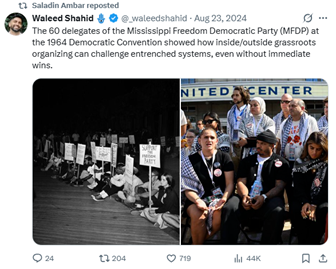
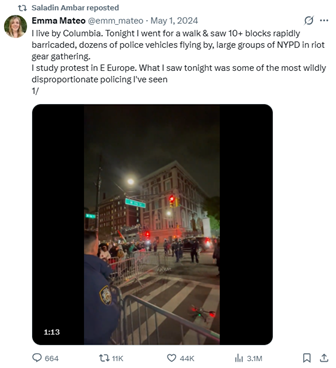
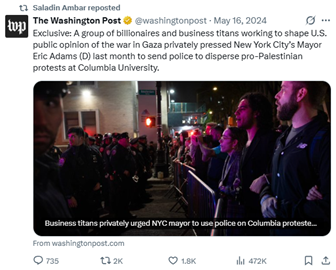
If you’re looking for a direct statement, you won’t always find it. That’s kind of the point. Since October of 2023, Saladin Ambar’s X account has increasingly featured criticism of Israel, mostly through reposts and curated content. This includes sharing posts from figures like Noura Erakat and amplifying articles critical of Israel, while largely avoiding putting the strongest language in his own words.



Conclusion: What Does Saladin Ambar Mean for Rutgers University?
Saladin Ambar keeps it polished, but the direction is consistent. He may avoid the loudest rhetoric, but what he signs, shares, and amplifies still shapes the campus conversation. At a time when universities face growing scrutiny under Title VI federal funding laws that prohibit discrimination against shared ancestry, that kind of influence isn’t minor. It helps define what gets normalized and what doesn’t. And for Rutgers, the question isn’t whether voices like his exist. It’s whether anyone is willing to draw a line.