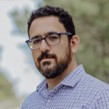
Ali Karjoo-Ravary joined Columbia’s History Department in 2022 as the Richard W. Bulliet Assistant Professor of Islamic History, focusing on intellectual and visual traditions in the Islamic world. But beyond his scholarship, Karjoo-Ravary has emerged as part of a faculty movement that uses academic prestige to embolden aggressive anti-Israel activism on campus.
A University of Pennsylvania PhD, he is publicly listed as a notable endorser of Penn Faculty for Justice in Palestine (Penn FJP), a group known for defending militant protest actions and pushing maximalist anti-Israel narratives. In April 2024, Karjoo-Ravary personally participated in Columbia’s pro-Hamas encampment : a protest space marked by violent slogans, confrontational behavior, and an atmosphere that Jewish students described as openly hostile and dangerous.
His presence lent faculty cover to a movement that normalized chants like “Globalize the intifada” and “From the river to the sea,” rhetoric linked to violence, not dialogue.
Record of Advocacy & Ideological Bias
Academic and Organizational Roles
Karjoo-Ravary’s faculty position gives institutional legitimacy to movements whose rhetoric pushes far beyond critique and into dehumanizing or inflammatory messaging about Israel and its supporters.
Public Statements and Activism
-
Apr 2024: Joined Columbia’s pro-Hamas encampment, a protest environment where Jewish students reported harassment, threats, and intimidation.
-
University of Pennsylvania: Notable endorser of Penn FJP, a faculty group that routinely justifies extreme anti-Israel activism and shields it under the label of “academic freedom.”
Collaborations and Affiliations
His affiliations place him firmly within faculty networks that merge political organizing with the classroom and normalize hardline anti-Israel framing — often at the expense of campus safety and inclusion.
Impact on Campus Climate & Accountability Concerns
Karjoo-Ravary is part of a new phenomenon on elite campuses: faculty members who amplify activist messaging that blurs into violent or eliminationist rhetoric. When professors show up at encampments that glorify “intifada” and excuse Hamas-aligned slogans, students interpret this as permission, even encouragement, to escalate.
This dynamic doesn’t stay theoretical. It shapes protest behavior, fuels harassment, and contributes directly to an environment where Jewish and Israeli students feel targeted, unsafe, and unprotected by the institution.
Faculty like Karjoo-Ravary may not be shouting the slogans themselves, but their presence, endorsements, and silence in the face of extremist rhetoric help legitimize it. That is how campus climates change; and how antisemitism grows unchecked.
Accountability matters. When professors lend their authority to movements that cross from advocacy into intimidation, universities must confront the real-world consequences for student safety, academic integrity, and the basic expectation that campuses remain places of learning, not arenas for ideological agitation.