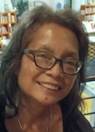
Born in Minnesota to parents who fled North Korea, Marie Myung-Ok Lee built her literary career through fiction, essays, and advocacy for writers of color. But during the Israel–Hamas war and Columbia’s protest crisis, Lee became an active faculty supporter of anti-Israel protest movements, frequently using her social media presence to elevate narratives portraying Israel as a perpetrator of genocide while defending student protesters facing university discipline.
Her activism was unmistakable in 2024. Lee participated in the encampment commonly described as pro-Hamas by critics, posting continuously in support of students as harassment complaints and Title VI concerns mounted. She framed the encampment as a fight for academic freedom and repeatedly cast disciplinary action by Columbia as censorship. Her posts heavily emphasized Gaza, liberation narratives, and solidarity with protest leaders.
Lee’s off-campus activism mirrors her role at Columbia. In May 2024 she participated in “Freedom to Write for Palestine,” a PalFest initiative that celebrated authors withdrawing from PEN America over its alleged failure to support Palestinian writers. In October 2023 she signed “Writers Against the War on Gaza,” aligning herself with a literary movement openly hostile to Israeli policy.
Across late 2023 through 2024, Lee posted anti-Israel commentary that sharply criticized Israeli military action and policy. Some posts circulated during this period were interpreted by readers as containing antisemitic undertones, further fueling concerns about the online rhetoric of faculty members during already heightened campus tensions.
Her consistent focus on student activism, Gaza, and faculty solidarity placed her firmly among the professors who helped normalize and legitimize the protest escalation at Columbia.
Record of Advocacy and Ideological Bias
Academic and Organizational Roles
Lee’s position in Columbia’s Writing Division and her status as a prominent Asian American literary figure amplify the reach of her political messaging. Her public endorsements of protest movements lend them cultural and institutional credibility.
Public Statements and Activism
May 2024: Participated in PalFest’s “Freedom to Write for Palestine” campaign
Oct 2023: Signed “Writers Against the War on Gaza”
Nov 2023 to Aug 2024: Posted in support of campus encampments and rallies
Apr to May 2024: Participated in the encampment and frequently posted supportive commentary
2023 to 2024: Posted anti-Israel content across her platforms and amplified narratives portraying Israel as committing systemic atrocities
2023 to 2024: Shared posts that some readers interpreted as containing antisemitic implications
Collaborations and Affiliations
Lee is aligned with faculty networks and literary coalitions promoting pro-Palestinian activism, often framing it as a struggle against censorship and colonial violence. Her public statements and social media posts amplified these narratives during the height of Columbia’s crisis.
Impact on Campus Climate and Accountability Concerns
Marie Myung-Ok Lee’s participation in Columbia’s encampment and her sustained online activism helped shape the broader campus narrative that framed the protest movement as morally righteous while sidelining the experiences of Jewish students who felt threatened and excluded.
Faculty presence at the encampment mattered. It signaled institutional approval of a space that became the subject of repeated harassment reports. Lee’s posts went further, celebrating the protest as a literary and moral struggle while ignoring its documented impact on campus safety.
Her repeated sharing of anti-Israel content, including material some readers interpreted as antisemitic, contributed to a social media environment that encouraged escalation rather than dialogue. When faculty with high visibility validate these narratives, it reinforces the belief that confrontational tactics and extreme rhetoric are not only permissible but admirable.
This dynamic has consequences. Jewish students faced a campus atmosphere where their concerns were minimized, where protest escalation was normalized, and where faculty approval emboldened activists to push further into disruptive and hostile actions.
Accountability is essential. A university cannot protect its students if faculty with influence continually endorse movements that undermine safety, escalate tensions, and dismiss real fears as political noise.