
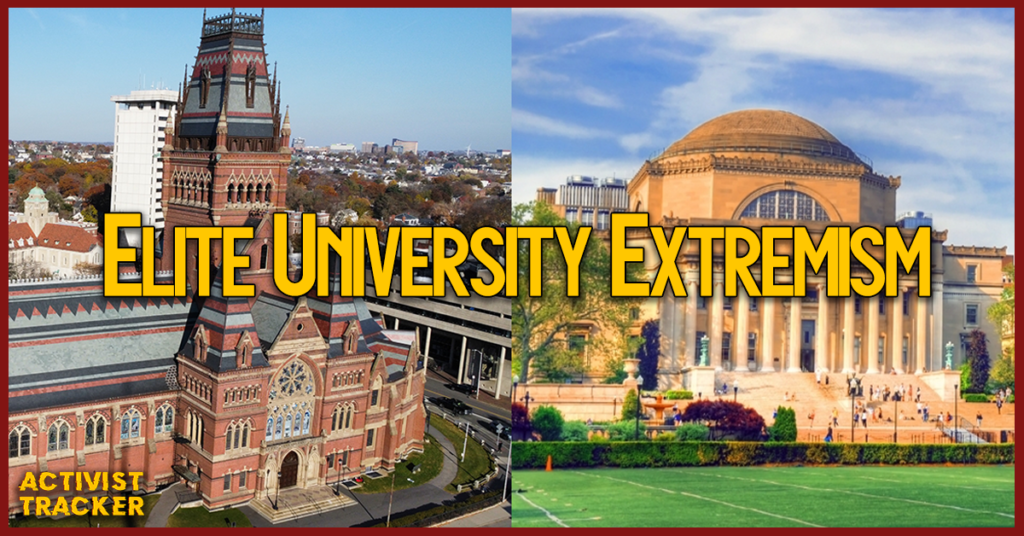
In the last week, two of America’s most prestigious universities made decisions that stunned students, parents, and alumni: the very individuals tied to some of the most hostile campus moments of the last two years are being promoted.
The decisions came from Harvard University and Columbia University. Institutions that have spent months “insisting” take antisemitism seriously, making the bare minimum changes. They have been very clear that their minimal action is met with actions that further threaten the safety of Jewish and non-Jewish students. Instead of confronting faculty behavior that contributed to campus unrest, both universities chose to reward it.
This is no longer an isolated oversight. It is an institutional pattern.
Harvard’s Controversial Hiring Decision
On December 1, 2025, multiple outlets reported that Harvard hired Elom Tettey-Tamaklo, a Harvard Divinity School graduate who previously faced misdemeanor assault and battery charges for attacking a student during an October 2023 “die-in” protest. The confrontation was captured on video and widely covered at the time.
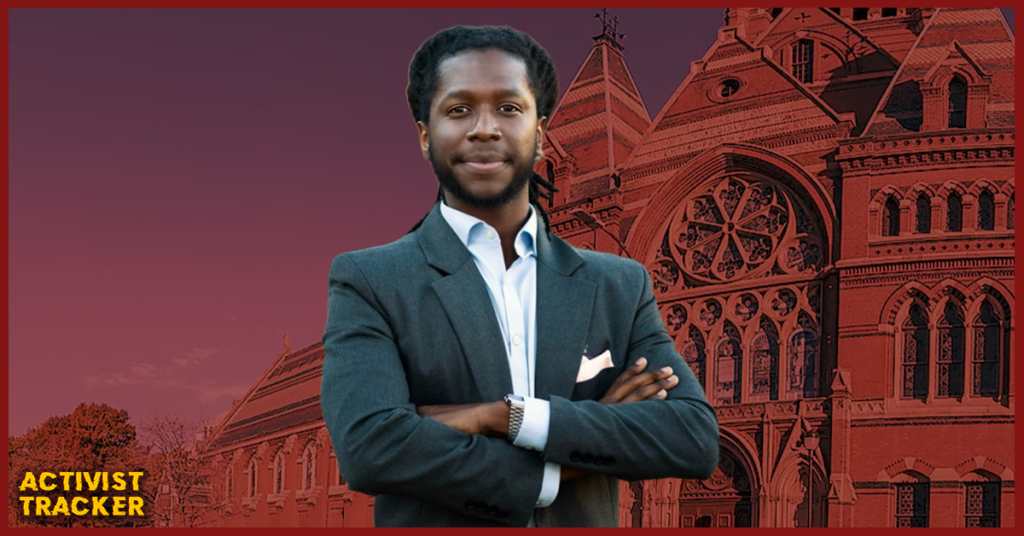
After completing community service and anger management classes as part of a pretrial diversion program, Tettey-Tamaklo’s case was dropped. Despite how terrible the incident was, Harvard later hired him back as a Graduate Teaching Fellow, where he supports curriculum development and offers advice to professors.
This decision was made after Jewish students had been reporting harassment and intimidation for months, and while Harvard was under intense federal scrutiny for antisemitism on campus. Instead of showing a commitment to responsibility and student safety, Harvard decided to hire someone whose acts became a symbol of campus intolerance.
Harvard had an opportunity to restore confidence. Rather, it widened the gap.
Columbia’s Promotion of a Professor Linked to the Encampment Movement
Harvard’s tone-deafness has been repeated by Columbia University just days later. Professor Manan Ahmed, a faculty member who publicly backed the 2024 Gaza Solidarity Encampments, was promoted by the university. Some of the most violent altercations Columbia has seen in decades were prompted by those encampments, which resulted in police intervention, campus closures, and dozens of Jewish students saying that they felt uncomfortable or targeted.
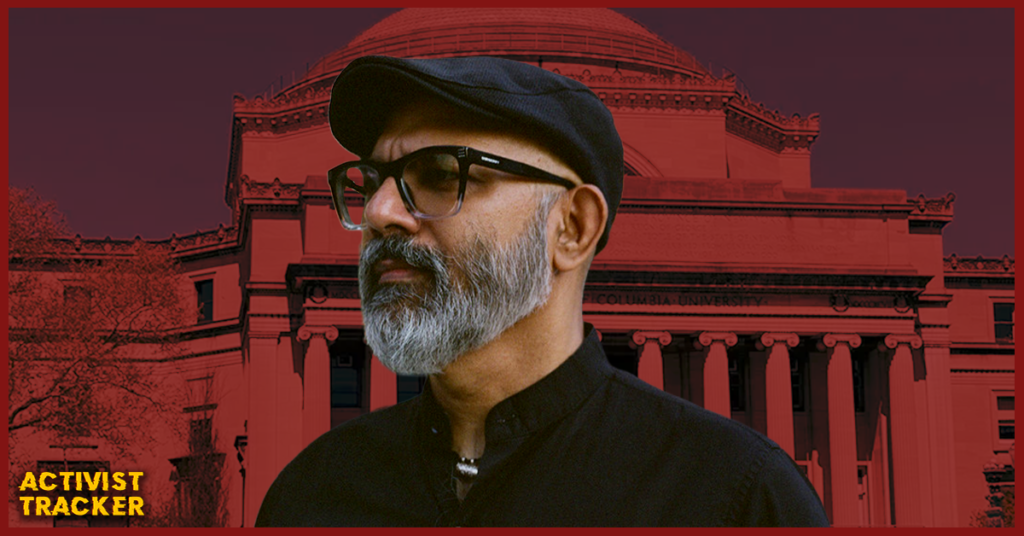
Professor Manan Ahmed, a faculty member who publicly backed the 2024 Gaza Solidarity Encampments, was promoted by the university. Some of the most violent altercations Columbia has seen in decades were prompted by those encampments, which resulted in police intervention, campus closures, and dozens of Jewish students saying that they felt uncomfortable or targeted. Ahmed wasn’t just a spectator. He openly backed the activists whose activities caused months of instability on Columbia’s campus. However, Columbia praised faculty involvement rather than questioning how it contributed to an already unstable climate.
The promotion makes it quite evident that disruptive political activism is not incompatible with career development at Columbia, even if it fosters an environment of intimidation and animosity. If anything, the organization seems to be saying that ideological congruence is more important than accountability.
Once more, faculty politics overshadowed student safety.
Other Faculty Who Helped Shape a Hostile Campus Climate
Harvard and Columbia’s choices become even more troubling when examined alongside broader trends. Across the country, faculty members have played significant roles in escalating campus tensions, normalizing extremist rhetoric, or dismissing legitimate concerns raised by Jewish students.
At the University of Pennsylvania, Professor Huda Fakhreddine became a central figure in public controversies after offering sympathetic framing toward groups connected with violent resistance movements. Her statements became rallying points for activists and sources of deep concern for Jewish students who felt her rhetoric crossed from academic analysis into ideological advocacy.
At Columbia, Professor Marianne Hirsch publicly downplayed concerns about antisemitism, framing many of the incidents reported by Jewish students as political misunderstandings. Her commentary fed a larger narrative in academic circles that Jewish concerns were exaggerated or strategically framed.
These professors differ in style and intent, but the outcome is the same: a campus atmosphere where Jewish students feel increasingly marginalized and unheard.
Why Students Are Losing Trust
Professor Manan Ahmed, a faculty member who publicly backed the 2024 Gaza Solidarity Encampments, was promoted by the university. Some of the most violent altercations Columbia has seen in decades were prompted by those encampments, which resulted in police intervention, campus closures, and dozens of Jewish students saying that they felt uncomfortable or targeted. Numerous comments have been released by universities expressing their dedication to preventing antisemitism, advancing safety, and encouraging communication. However, students evaluate organizations based on their behavior rather than their press releases.
Harvard made the decision to employ a person embroiled in a violent altercation motivated by political animosity. A professor who supported a movement that shut down campus life and made Jewish students feel intimidated was promoted by Columbia. At other campuses, administrators have remained silent while faculty members mainstream or even applaud discourse associated with violence.
There is no denying the cumulative effect. Jewish students are frequently and indirectly reminded that their safety is negotiable and that their concerns are unimportant.
When responsibility is lacking, trust cannot exist.
The Real Crisis: Faculty as Activists, Administrators as Enablers
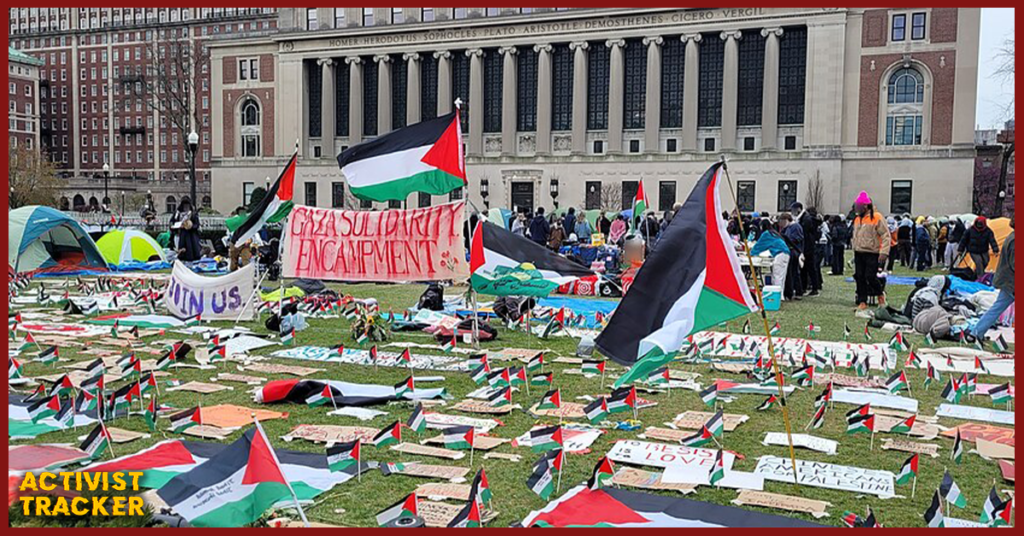
Although student activists are frequently the center of the national dialogue surrounding campus extremism, the teacher culture that supports and magnifies these movements is the real problem. Campuses become areas of ideological conflict when academics take on the role of political organizers and are compensated for it.
Decisions made by Harvard and Columbia are not the result of bureaucratic errors. They are a reflection of a deeply ingrained system that prioritizes public action and political alignment over stability, impartiality, and student safety.
As a result, there is no longer any accountability at universities, allowing extremism to thrive without repercussions.
Conclusion
Harvard’s hiring and Columbia’s promotion may be two separate events, but together they illustrate a turning point. Elite universities have begun to codify a culture in which faculty members tied to the disruption, hostility, and intimidation of recent years are not seen as liabilities, but as assets.
Students deserve better. Jewish students, especially, deserve an environment where their fears are heard, not waved away. Instead of moving toward accountability, Harvard and Columbia doubled down.









