
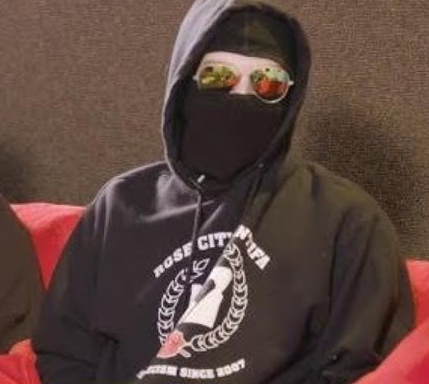
For years, we’ve been told that Antifa is just a bunch of random activists showing up to protests. No leaders. No organization. No real structure. A new undercover investigation is challenging that narrative. After spending eight months inside a New Jersey activist network called NJ BURN, O’Keefe Media Group claims it uncovered a coordinated group whose members allegedly discussed protest tactics, fundraising, legal support for arrested activists, and even conversations about damaging police property.
The investigation also identifies participants it says are connected to universities, nonprofits, labor organizations, and private companies – including Rutgers University. If the reporting holds up, this wasn’t just a handful of masked protesters yelling in the street. It was a network.
What Is NJ BURN?
According to O’Keefe Media Group, an undercover reporter spent eight months inside NJ BURN’s Signal chats and meetings. What they say they found goes far beyond organizing peaceful demonstrations. The investigation alleges members talked about blocking ports, coordinating protests, raising money for arrested activists, and swapping ideas about more aggressive tactics, including slashing police tires, using road spikes, and damaging police vehicles. O’Keefe also released videos, chat screenshots, and undercover recordings that he says back up those claims.
Whether every allegation ultimately proves true remains to be seen. But if even part of the investigation is accurate, it paints a picture of a much more organized activist operation than many people imagine when they hear the word “Antifa”.
Then Rutgers Shows Up
Here’s where the story gets even more interesting. Among the people identified in the Antifa investigation are individuals affiliated with Rutgers, including a university imaging director (whose university page and LinkedIn have since been deleted) and a doctoral student. That’s hard to ignore. Rutgers isn’t some small private activist collective. It’s New Jersey’s flagship public university, funded by taxpayers and responsible for educating tens of thousands of students every year.
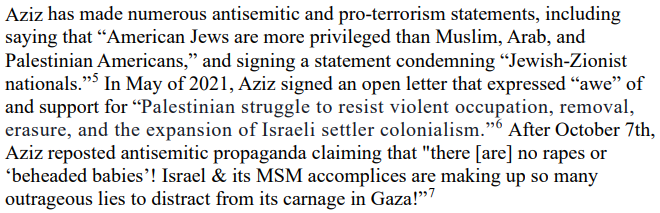
And this isn’t the first time Rutgers has landed in the middle of activist controversies. Over the past few years, ACT has covered protests, arrests, faculty activism such as that of Zahra Ali, and controversial academic programs tied to the university, such as the CSRR run by Sahar Aziz, which was named in an investigation by the House’s Committee on Education and the Workforce as a “a hotbed of radical antisemitic, anti-American, anti-Israel, and pro-terrorist activity.”
The NJ BURN investigation doesn’t prove Rutgers was involved in the group’s activities, but it does raise an obvious question: how did people connected to one of the state’s largest public universities allegedly end up inside this network in the first place?
This Didn’t Come Out of Nowhere
One reason the investigation feels familiar is because we’ve watched the same activist ecosystem grow on college campuses for years. Students organize with faculty. Faculty work with advocacy groups. Alumni stay involved after graduation. The relationships don’t disappear when someone gets a diploma – they keep growing. The people may change jobs, but the networks stay connected.
The NJ BURN investigation appears to be another example of how those connections can stretch well beyond campus.
Rutgers Owes the Public Some Answers
At the end of the day, this isn’t about whether someone has strong political opinions. But if employees at a taxpayer-funded university are alleged to be participating in a network where conversations included damaging police property and coordinating disruptive actions, the public deserves answers. Were university resources ever used? Has Rutgers looked into the allegations? If university employees were involved, does the administration believe that’s consistent with its policies? Those are fair questions.
The NJ BURN investigation is about more than Antifa. It’s about transparency, accountability, and whether activist networks have become more deeply embedded in public institutions than many people realize.
Rutgers may not like being part of this story, but it’s now part of the conversation.









